The Spring Into Learning and Growth
As we welcome the season of spring, we are reminded of the beauty of growth, renewal, and new beginnings. This time of year, brings fresh energy into our classrooms, where children continue to build skills, confidence, and curiosity through meaningful learning experiences each day.
At Head Start, spring is a wonderful opportunity to extend learning beyond the classroom. We encourage families to spend time outdoors, explore nature, and engage in simple conversations that support language and development—whether it’s talking about the weather, observing plants growing, or enjoying a walk together.
We are also excited to continue strengthening our connection with the communities we serve. Head Start thrives because of strong partnerships—with local schools, organizations, businesses, and community members who believe in supporting children and families. These partnerships help us expand opportunities, provide resources, and create meaningful experiences for our children.
If you or your organization are interested in partnering with us—through volunteering, sharing resources, hosting events, donations or supporting our programs—we would love to connect. Together, we can make an even greater impact for the children and families in our community.
Our team remains committed to providing safe, nurturing environments where children can thrive. We also look forward to upcoming family engagement opportunities and continuing to build strong relationships with each of you. Your involvement plays a vital role in your child’s success, and we appreciate all the ways you support their learning journey.
Thank you for being a valued part of our Head Start community. We are excited for all this season will bring!
The new RFP for Congregate Meals was turned in last Friday. I had several hands that helped get this together, thankful for the guidance. We will find out the results in a few months.
We served 2,814 meals in February. The weather and President’s Day lowered our numbers for the month.
Senior Celebration is coming up May 21st. The centers are getting the seniors that plan to ride with CATS signed up with the proper paperwork. The seniors truly enjoy this special day just for them. If you know of any seniors that are independent, drive themselves, tell them about it, they will really enjoy this day.
I will be visiting the senior centers to speak with them to understand their needs, and see what can be done to help.
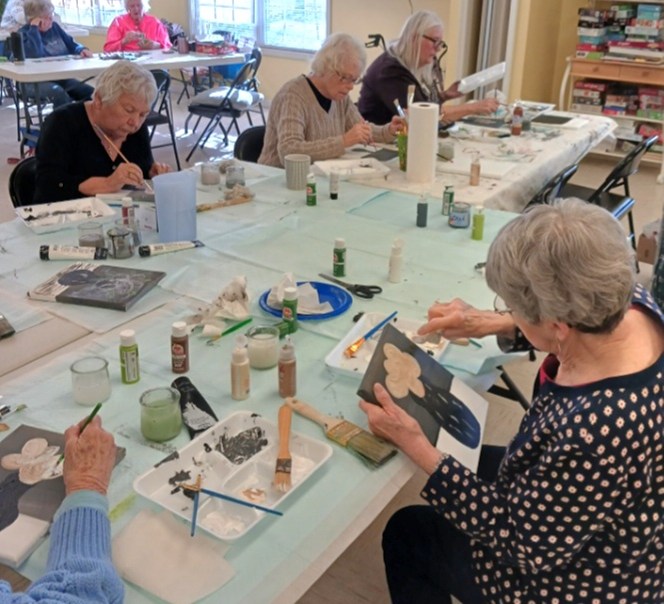
If you are 60 years of age or older you may sign up for the senior meals. It’s not just a meal, it’s a chance to meet new friends, find things you have in common, play cards, and have great conversations with people that become family.
Child Care Nutrition Program – Kathy L. Hagan, Program Director (Formerly known as Family Child Care Homes and Unaffiliated Centers Program)
Central Kentucky Community Action Council (CKCAC) is proud to announce the renaming of one of its programs. Once called the Family Child Care Homes and Unaffiliated Centers Program, or simply the ‘Food Program’ by some, this important nutrition program is now called the Child Care Nutrition Program. Why the change? Because let’s face it, most people didn’t really understand what the technical title meant and the simpler version of the ‘Food Program’ doesn’t really put the emphasis on child nutrition, which is the program’s primary focus.
What else has changed with the Program? CKCAC is expanding the Child Care Nutrition Program’s sponsorship reach beyond the counties we currently serve to include eligible Child Care Homes or Centers in any Kentucky county. We are excited and ready to expand our outreach for this important cause.
The program has a logo now as well. What does this mean for the program? It means better recognition and understanding of CKCAC’s commitment to helping children receive nutritious meals at child care services throughout Kentucky.
What is the Child Care Nutrition Program? For those of you who are not familiar with this program (no matter what it’s called), the Child Care Nutrition Program is responsible for CKCAC’s sponsorship of the USDA’s Child and Adult Care Food Program (CACFP). The CACFP benefits the children with healthier meals; the Family/Center Child Care with monthly reimbursements to help cover food costs; and the parents/guardians with well-nourished children and lower child care costs.
The Child Care Nutrition Program is Looking for Child Care Homes & Centers to Sponsor in the Child and Adult Care Food Program! Do you know of a Kentucky Child Care Home or Center that recently opened or that has been in business for a while and is not currently taking advantage of the Child and Adult Care Food Program (CACFP)? If so, please have them contact CKCAC’s Child Care Nutrition Program Director Kathy Hagan at kathy.hagan@ckcac.org or by calling 270-402-1977 for more information.
With rising food costs, now’s the time for all eligible Kentucky Child Care Homes and Centers to participate in the CACFP. Let Central Kentucky Community Action Council help you apply for the CACFP as your sponsor today!
Spring is here and the Community Collaboration for Children is busy planning April Child Abuse Awareness Month. April 2nd we will be planting pinwheels in Washington County at 10am and Marion County at 3pm. Trail of Hope Regional Network will be hosting Lunch and Learns in Washington, Nelson, Hardin, Meade and LaRue counties. For more information, please reach out to Ronda Bertrand at ronda.bertrand@ckcac.org. Community Baby showers: Marion County, April 15th 4:30-6:30pm; Breckinridge County, April 23rd 3:30- 5:30pm (central time); Nelson County, May 5th 4:30-6:30pm; Meade, May 9th 9-12pm; Hardin County, May 20th 4-6:30pm and Washington County will be in June.
Parent Engagement Meeting Program helping to prevent truancy in Elizabethtown City, Hardin County Elementary and Bardstown City schools. We have served 163 families since the end of February.
Trail of Hope Regional Networks Build A Bed program has been extremely busy already making sure 127 children have a bed. We are working on sponsorships to purchase bed frames, mattresses, bedding, and pillows. Trail of Hope Regional Network will meet in person at 708 Westport Road at the CKCAC building. Our last meeting will be May 19th at 10am. If you are interested in being a network member please reach out to Ronda Bertrand, CCC Network Coordinator at 270-692-7553.
March is an important month for CKCAC. Spring brings new opportunities for growth as the flowers and trees begin their growth. 2026 is already off to a busy start, but we are excited for what the year will bring.
We are welcoming two new low-income members and one Emeritus member with Finance expertise to CKCAC’s Board of Directors. Ms. Lorrie McGonigle (LaRue), Ms. Tara Durbin (Washington), and Ms. Allyson Trailor (Finance) were all approved at March’s Board of Directors’ Meeting. Welcome to these committed individuals and thank you for offering to bring your time and talents to help Central Kentucky.
CKCAC’s Board of Directors also approved our three-year strategic plan for 2026 to 2028. This strategic plan has been in the works for many months and is a collaborative effort between leadership, staff, and our Board. If you would like to learn more, please visit https://ckcac.org/newsletter/ckcacs-strategic-plan-2026-2028/
Finally, CKCAC is proud to announce that we have been awarded contracts through Lincoln Trail Area Development District (LTADD) to continue offering Senior Center meals and programming in all eight of our counties. CKCAC was also awarded the contract to continue providing Senior Transportation through CKCATS. We are proud to continue our amazing partnership with LTADD to bring these essential services to Seniors in our area. Please contact your local Senior Center or CKCATS if you have any questions.
Thank you for all you do.
In this Strategic Plan, Central Kentucky Community Action Council, Inc. (CKCAC) outlines the critical community characteristics and needs which will guide development and innovation of the agency’s anti-poverty programming over the next three years. The goals focus on improving the agency’s overall operations as well as program-specific operations, including the types of services provided.
This plan was developed through a collaborative process involving key CKCAC and community stakeholders, the Board of Directors, staff, and clients. Community Needs Assessment surveys and Agency Client satisfaction surveys were used to focus the plan on client needs.
CKCAC was established in 1966 and primarily serves Breckinridge, Grayson, Hardin, LaRue, Marion, Meade, Nelson and Washington counties, with a presence in 27 Kentucky counties. The agency employs approximately 260 staff and administers twelve programs under the leadership of Executive Director Bryan Conover, guided by a volunteer tripartite Board of Directors.
This Strategic Plan is a living document, adaptable to the changing economic, political, and cultural climate, and will be reviewed on an annual basis.
With Customers in mind, this Strategic Plan was developed by incorporating Customer Satisfaction data and customer input that was collected through the Community Needs Assessment and customer satisfaction surveys from programs operated through CKCAC. CKCAC engaged I thoughtful assessment of needs, planning to meet those needs, implementation of programs and services designed to meet the needs, collection of data, and the analysis of this data by continuous use of the full ROMA Cycle. The agency’s Nationally Certified ROMA Implementer was influential in the development of the Strategic Plan.
The Community Needs Assessment is administered in the summer, fall and winter and completed in the spring. This report consisted of surveying CKCAC clients, community organizations. Faith based, private sector, public sector and educational institutions in CKCAC’s primary service region regarding their perceptions of what services/programs are needed and the major causes of poverty in their community. This report examined a wide range of variables in the service region such as poverty, health care, education, transportation, and employment.
The following data from CKCAC’s Community Needs Assessment identifies the top community needs guiding this plan:
| Year | Housing (%) | Employment (%) | Education (%) | Key Themes |
| 2022–23 | 64.1% | 64.0% | 48.5% | Rising rent, low wages, limited ECE |
| 2023–24 | 52.9% | 73.2% | 58.5% | Transportation barriers, childcare gaps |
| 2024–25 | 83.7% | 59.8% | 65.6% | Affordable housing crisis, post-secondary access |
Utilizing Community Needs Assessment data, agency-specific needs, and program-specific needs, Central Kentucky Community Action Council implemented a team approach to our strategic planning process. Members of the strategic planning team included the Executive Director, Program Directors, and Finance staff. The Board of Directors also designated a member to help facilitate the conversations. CKCAC also contracted with a ROMA-certified professional for creation and review of the strategic plan for quality control and CSBG organizational standards compliance purposes.
The strategic plan is approved by the agency Board of Directors and progress towards goals is reviewed and approved by the Board of Directors on an annual basis in compliance with Organizational Standard 6.5.
Throughout this Strategic Plan, goals are tied to the three national ROMA Goals. ROMA stands for Results-Oriented management and Accountability. The design tool was created in 1994 by an ongoing task force of federal, state, and local community action officials-the Monitoring and Assessment Task Force. Based upon principles contained in the Government Performance and Results Act of 1993, ROMA provides a framework focuses on a model of continuous improvement. Implementing a comprehensive CSBG Performance Management Framework not only strengthens CKCAC to meet today’s challenges; but positions the agency for future growth and increased capabilities to achieve outcomes. Throughout the strategic plan, strategies, goals and objectives will be directly linked to one of the three ROMA goals.
All goals in this Strategic Plan are tied to one or more of the three national ROMA (Results-Oriented Management and Accountability) Goals:
Strategic Plan Accountability
| Executive Oversight | Executive Director and Leadership Team are responsible for implementing strategic initiatives. |
| Board Review | Annual progress updates presented to the Board of Directors for review and approval. |
| ROMA Compliance | All objectives linked to ROMA goals and reviewed through the full ROMA Cycle. |
| Plan Revision | Annual review and re-evaluation to respond to economic, political, and cultural shifts. |
PART I: AGENCY-WIDE STRATEGIC GOALS
GOAL 1: Strengthen CKCAC Workforce and Improve Service Delivery
ROMA Alignment: ROMA Goals 1 & 2
Strategic Objectives
Key Initiatives
Success Metrics
| Success Metric | Target | Timeline | Owner |
| CCAP certifications earned | 3 graduates | By Dec 2028 | Executive Director |
| SHRM-certified staff on payroll | 1 staff member | By Dec 2026 | HR / Leadership |
| ROMA-certified professional on staff | 1 certified staff | Maintained throughout | Executive Director |
| Policy manual sections completed | 100% programs covered | By June 2027 | Program Directors |
| Staff completing annual performance appraisal | ≥95% completion rate | Annually | HR / Supervisors |
| Leadership committee meetings held | Quarterly minimum | Ongoing | Leadership Team |
| Technology improvement initiatives launched | ≥2 AI/tech initiatives | By Dec 2027 | RFX / Admin |
GOAL 2: Enhance Communication to Improve Agency Cohesion and Advocacy
ROMA Alignment: ROMA Goals 2 & 3
Strategic Objectives
Key Initiatives
Success Metrics
| Success Metric | Target | Timeline | Owner |
| Agency-wide town halls (CKCAC Connections) held | 4 per year minimum | Annually | Executive Director |
| Employee climate survey participation rate | ≥75% response rate | Annually | HR Department |
| Community Needs Assessment response count | Year-over-year increase | Annually | Program Directors |
| LINC communications deliverables | Per contract milestones | Ongoing | LINC / Admin |
| Annual Impact Report engagement | Measurable distribution increase | Annually | Executive Director |
| Elected official visits/communications completed | Annual visits + 12 monthly digital | Annually | Executive Director |
GOAL 3: Diversify Funding Mechanisms through Programmatic and Strategic Growth
ROMA Alignment: ROMA Goals 1 & 2
Strategic Objectives
Key Initiatives
Success Metrics
| Success Metric | Target | Timeline | Owner |
| Affordable Housing funding applications submitted | 1+ applications | By Dec 2026 | Executive Director |
| New housing units or partnerships established | ≥1 partnership/development | By Dec 2028 | Executive Director |
| Grant writer / fundraiser hired or contracted | 1 resource on board | By Dec 2026 | Executive Director |
| New funding streams secured | ≥2 new revenue sources | By Dec 2028 | Grant Resource / ED |
| Philanthropic liaisons assigned | 100% of target entities | By June 2026 | Leadership Team |
| Program expansion plans developed | Plan for ≥1 program | By Dec 2026 | Program Directors |
PART II: PROGRAM-SPECIFIC STRATEGIC GOALS
ROMA Alignment: ROMA Goals 1, 2 & 3
Three-Year Goals
Initiatives
Success Metrics
| Success Metric | Target | Timeline | Owner |
| Site visits / peer agency research completed | ≥3 site visits or reports | By June 2027 | CSBG Director |
| Whole-family committee recommendations delivered | 1 formal recommendation | By Dec 2027 | Committee Lead |
| Technology tools integrated into CSBG workflow | ≥2 tools (e.g., EmpowOR, AI) | By Dec 2027 | CSBG/Tech Lead |
| Community partnership meetings held per year | ≥4 per county annually | Annually | CSBG Director |
| Staffing structure review completed | 1 formal review | By Dec 2026 | CSBG Director/ED |
ROMA Alignment: ROMA Goal 1
Three-Year Goals
Initiatives
Success Metrics
| Success Metric | Target | Timeline | Owner |
| Staff turnover rate | <35% annually | Annually | HS Director |
| Professional development hours per staff | ≥40 hrs/year | Annually | HS Director |
| Curriculum fidelity assessment score | Meet/exceed program standards | Semi-annually | Curriculum Coach |
| Child developmental milestone attainment (DRDP) | ≥80% on track | Semi-annually | Classroom Staff |
| Parent engagement activities per year | ≥4 events per center | Annually | Family Engagement |
| In-kind / non-federal share generated | Meet NFS match required or approved OHS waiver | Annually | HS Director |
| Community agency partnerships active | ≥5 active MOUs | Annually | HS Director |
ROMA Alignment: ROMA Goals 1 & 2
Three-Year Goals
Initiatives
Success Metrics
| Success Metric | Target | Timeline | Owner |
| Unduplicated clients served per year | Year-over-year increase | Annually | CKCATS Director |
| Safety incidents / accidents per 10,000 miles | Year-over-year reduction | Annually | CKCATS Director |
| Driver retention rate | ≥60% annually | Annually | CKCATS Director |
| Driver openings filled within 60 days | ≥80% of openings | Ongoing | HR / CKCATS |
| Community outreach events attended | ≥12 per year | Annually | CKCATS Staff |
| CKCATS Operation Site Expansion reviewed / funding applied | 1 new site evaluated | By Dec 2027 | CKCATS Director |
ROMA Alignment: ROMA Goal 1
Three-Year Goals
Initiatives
Success Metrics
| Success Metric | Target | Timeline | Owner |
| Approved volunteer sites | +25% (vs. 2025 baseline) by Apr 2026 | Apr 2026 | KY Works Director |
| Unsubsidized SNAP placements | 33 (2026), 50 (2027), 75 (2028) | Annual milestones | KY Works Director |
| Wage subsidy dollars spent | $50,000 by June 30, 2027 | June 2027 | KY Works Director |
| Medicaid work requirement advocacy actions | ≥2 formal submissions/meetings | By Dec 2026 | Exec Director |
| Clients placed in unsubsidized employment | Year-over-year increase | Annually | KY Works Staff |
ROMA Alignment: ROMA Goal 1
Three-Year Goals
Initiatives
Success Metrics
| Success Metric | Target | Timeline | Owner |
| Rebranding materials launched | Logo + collateral complete | By June 2026 | CCNP Director |
| Family Day Care Homes sponsored | Year-over-year increase per plan | Annually | CCNP Director |
| CACFP-sponsored centers | Year-over-year increase per plan | Annually | CCNP Director |
| Conference/community outreach presentations | ≥2 per year | Annually | CCNP Staff |
| Technology assessment completed | 1 formal report (RFX) | By Dec 2026 | CCNP/RFX |
| Marketing reach beyond service area | ≥1 new county or region reached | By Dec 2027 | CCNP/LINC |
ROMA Alignment: ROMA Goals 1 & 3
Three-Year Goals
Initiatives
Success Metrics
| Success Metric | Target | Timeline | Owner |
| Families served through CCC per year | 24 per contract year | Annually | CCC Director |
| Trail of Hope family events/trainings held | ≥2 per year | Annually | Trail of Hope Lead |
| Regional Prevention Collaborative meetings attended | All required meetings | Ongoing | CCC Director |
| New school districts added to PEM program | +2 districts | By Dec 2028 | CCC Director |
| PEM truancy cases resolved / improved | Year-over-year improvement | Annually | PEM Staff |
ROMA Alignment: ROMA Goals 1 & 2
Three-Year Goals
Initiatives
Success Metrics
| Success Metric | Target | Timeline | Owner |
| Senior Center listening sessions completed | 1 per county (8 total) | By June 2026 | Senior Meal Director |
| Congregate meal participation / meals served | Year-over-year increase | Annually | Senior Meal Director |
| LTADD contract renewal secured | Successful RFP awarded | Per contract cycle | Exec Director |
| Program expense variance vs. budget | ≤2% over budget | Quarterly | Finance / Director |
| Cross-program coordination meetings held | Quarterly minimum | Quarterly | Senior Meal Director |
ROMA Alignment: ROMA Goals 2 & 3
Three-Year Goals
Initiatives
Success Metrics
| Success Metric | Target | Timeline | Owner |
| Number of active senior companion volunteers | +30% vs. 2025 baseline | By July 1, 2027 | SCP Director |
| Average monthly service hours provided | +15% vs. 2025 baseline | By July 1, 2027 | SCP Director |
| Media stories / features published | ≥2 per year | Annually | SCP Director/LINC |
| Non-federal share generated through sponsorships | Year-over-year increase | Annually | SCP Director |
| County-specific volunteer training sessions | 1 per county annually | Annually | SCP Director |
ROMA Alignment: ROMA Goal 1
Three-Year Goals
Initiatives
Success Metrics
| Success Metric | Target | Timeline | Owner |
| Households weatherized per year | Meet or exceed state contract targets | Annually | Weatherization Dir. |
| Deferral rate of applicant households | Year-over-year reduction | Annually | Weatherization Dir. |
| WRF / Weatherization Readiness grant funds secured | Year-over-year increase | Annually | Weatherization Dir. |
| Financial sustainability assessment completed | 1 formal review/plan | By June 2026 | Exec Director / Finance |
| In-house crew feasibility report delivered | 1 report | By Dec 2026 | Weatherization Dir. |
| Funding streams blended with Affordable Housing | ≥1 blended initiative | By Dec 2028 | Exec Director |
The Senior Companion Program (SCP) is actively looking for volunteers and our numbers are growing!
CKCAC is proud to sponsor the AmeriCorps Senior Companion Program. Our senior volunteers are assisting elderly residents in Marion, Washington, Nelson, Hardin, Grayson, and Breckenridge Counties with the goal of helping them to remain independent in their homes while offering companionship to combat feelings of loneliness and isolation.
This month we would like to shine a spotlight on one of our volunteers serving in Hardin County. Debbie has been with SCP since 2019. She has served many clients over the years and is presently a companion to four people in the Hardin County area. Last year Debbie served over 800 hours and has already served over 100 hours this year. We are proud to have her as a volunteer. We know that she brings much needed assistance and joy to those she serves.
If you would like to find out more about becoming a volunteer in your community, or if you would like to be a local sponsor for a volunteer like Debra, please contact Mary Jean Blake at (270) 402-7194 or email mary.blake@ckcac.org.

Congregate Meals served 3,181 meals in January. There were a few snow days and we closed the last week of January which caused our numbers to drop.
Seniors are glad to be back at the centers. Dine-in only is going well. The centers are getting new clients.
If you are 60 years or older, would like a hot meal or to meet other seniors then call one of our 11 local senior centers. For more information, call 270-692-2136.